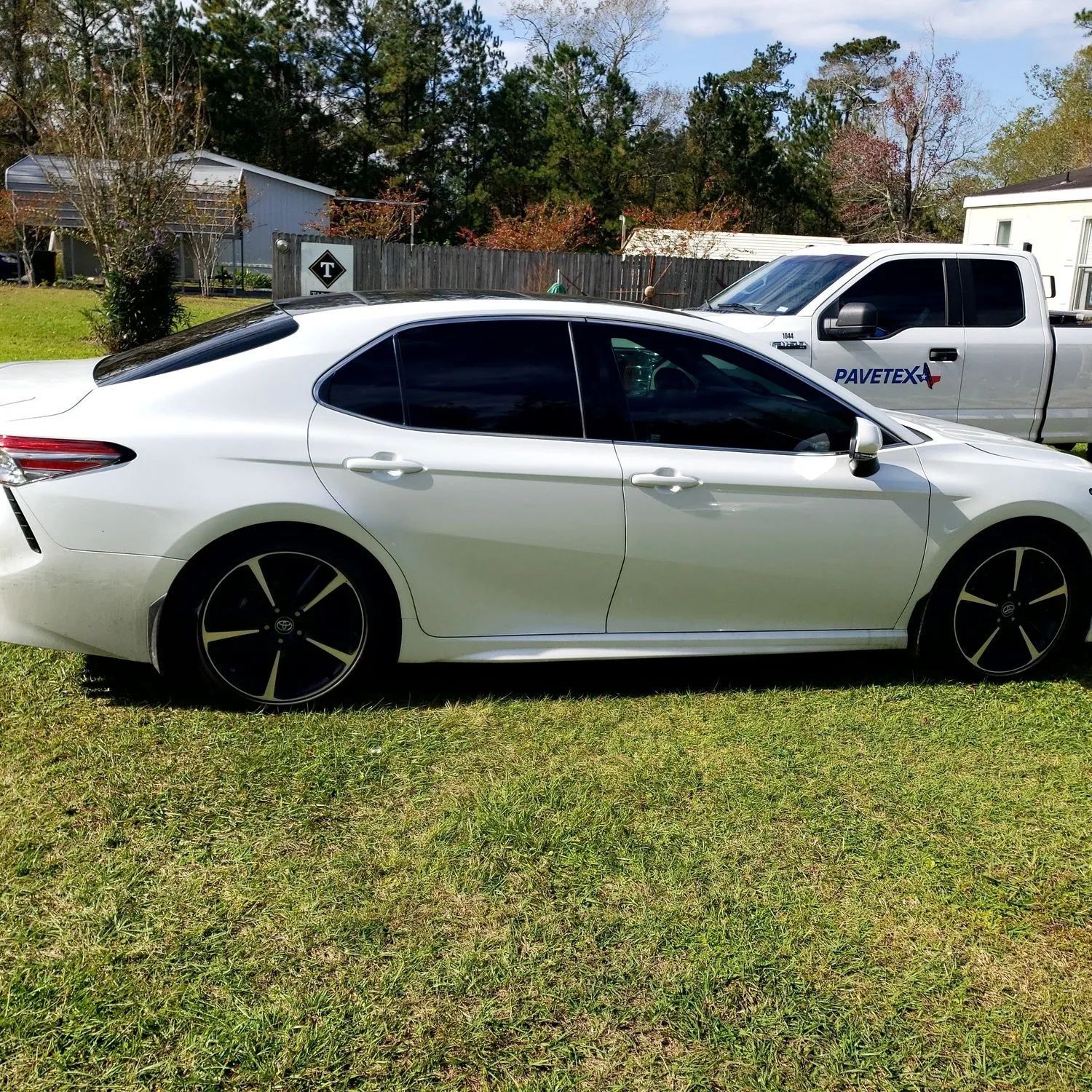
Faded Dash, Cracked Leather, Hot Seats: How Window Tint Protects Your Car's Interior
October 30, 2026
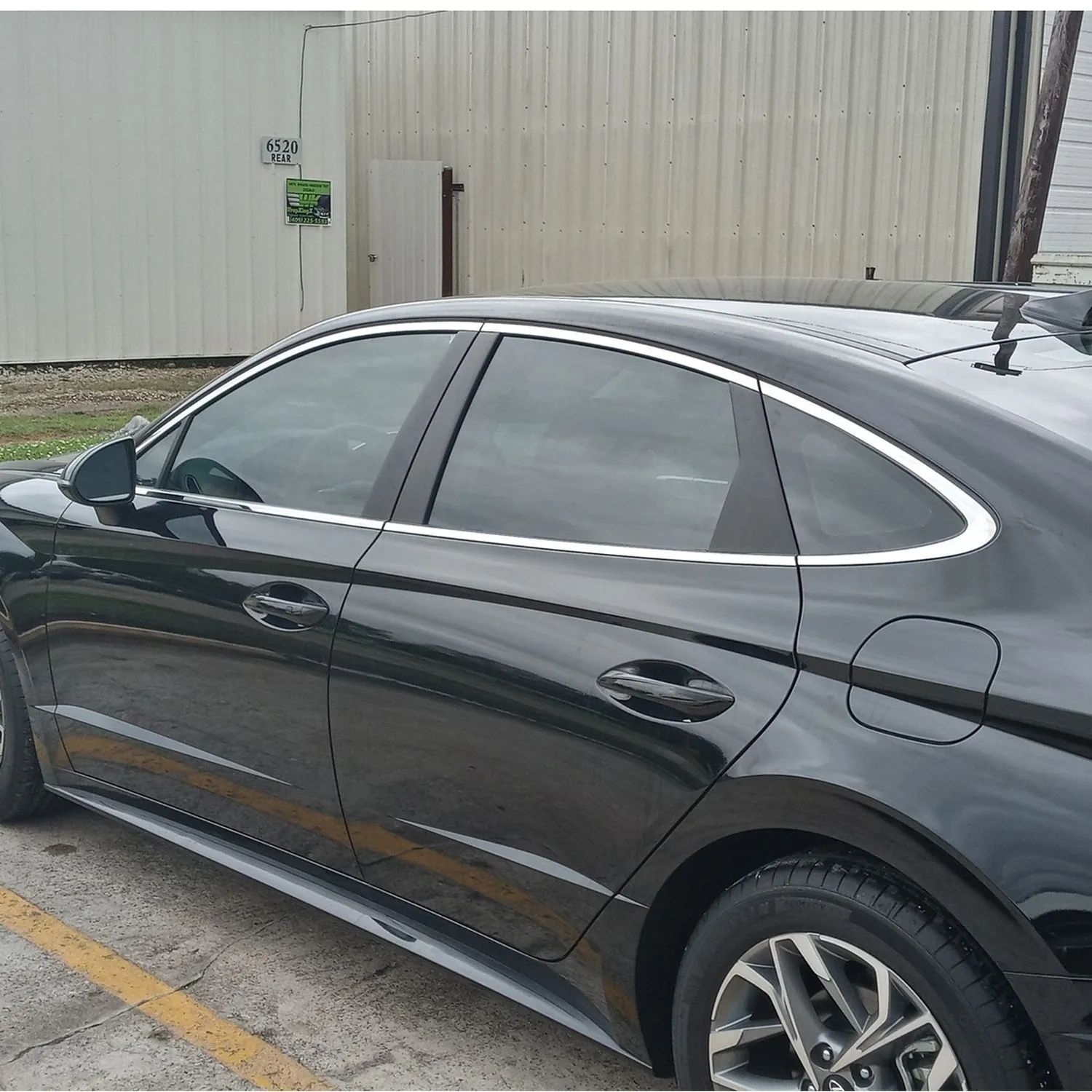
QUICK ANSWER: Window tint protects a car's interior by blocking most ultraviolet light and rejecting part of the infrared heat that passes through the glass. UV is the main cause of faded dashboards, chalky trim, and dried out leather, while heat speeds up cracking and warping in vinyl and plastic. A quality film on the side and rear glass, plus a sun strip or clear film on the windshield, cuts the energy reaching your seats and dash every hour the vehicle sits in the sun. Ceramic and carbon films do this without relying on a dark shade, so protection and a natural look can go together.
Open the door of a car that has spent a Southeast Texas afternoon in a parking lot and the interior tells the story right away. The steering wheel is too hot to hold, the seat belt buckle stings, and the dashboard gives off a warm, plasticky smell that never quite goes away. That smell is the surface of the dash slowly breaking down. Every long, bright day leaves a little more of that damage behind, and it adds up faster than most drivers expect.
Window tint is one of the few upgrades that works on that problem all day, every day, without you doing anything. It does not require a sunshade you have to remember to place, and it keeps working when the car is parked at a job site, a boat ramp, or a school pickup line. Below we walk through what the sun is actually doing to your interior, how film interrupts that process, and what to think about when choosing film for a vehicle that lives outdoors in our climate.
What the Sun Is Really Doing to Your Interior
Sunlight reaching the inside of a vehicle is made up of three parts that matter here: ultraviolet light, visible light, and infrared energy. Each one does different damage.
Ultraviolet Light
UV is the part you cannot see, and it is the biggest driver of fading and surface breakdown. It attacks the dyes and the polymers in your dash, door panels, seat fabric, and leather. Colors lose depth, black plastic turns grayish, and the finish on leather dulls and then begins to crack along the seams and the high points of the seat bolsters.
Infrared Energy
This is the part you feel as heat. Infrared warms every surface it lands on, and a dashboard is a large, dark, flat surface angled right at the windshield. A hot dash expands, softens, and contracts again as it cools at night. Repeated over many seasons, that cycle opens hairline cracks, lifts the vinyl skin, and warps trim pieces that were once flush.
Visible Light
Bright light itself causes glare and eye strain, and it contributes to fading too, though less than UV does.
The Gulf Coast adds humidity to the mix. Moist air and heat together are hard on adhesives, foam, and stitching, so a seat that is baked by afternoon sun and then sits through a humid night is working through a harsher cycle than the same seat would face in a dry climate. Drivers in Beaumont, Port Arthur, and Nederland see this on trucks and family vehicles that spend most of the day outside, and the first signs are usually on the dash top and the shoulder of the driver seat closest to the window.
Why Glass Alone Does Not Protect You
Most people assume that car glass already blocks the sun's harmful rays. That assumption is only partly right. According to the Skin Cancer Foundation, window glass blocks most UVB light but does not block UVA well. Windshields are laminated and offer some UVA shielding, but the side and rear windows are tempered glass, which lets a large share of UVA pass through. UVA is the longer wavelength that reaches deeper into skin and into interior materials, so a car with clear or lightly dyed side windows is still taking a steady dose.
That has two practical effects. First, the people inside get UVA exposure on their arms and faces during long drives, even in cooler months and even on cloudy days. Second, the interior surfaces closest to the side glass, like the door panels, armrests, and the outboard edge of the seat, receive that exposure constantly.
A quality window film is built with UV absorbers that block more than 99 percent of UVA and UVB light. That figure applies to the film's UV performance, and it holds whether the film is dark or very light, because UV blocking comes from the film's chemistry and not from how dark it looks. This is why a nearly clear film can still be an excellent interior protector.
How Film Protects the Cabin
A good window film works on the two problems that matter most, UV and heat, and it does both at the glass instead of after the energy is already inside.
Filters Uv Before It Reaches The Surface
The film layer absorbs ultraviolet light before it reaches the interior, reducing exposure on dashboards, leather, and trim. That slows fading and chemical breakdown that eventually makes plastic and vinyl brittle.
Reduces Heat Entering The Cabin
Ceramic film rejects infrared energy before it becomes heat on seats and interior surfaces. Carbon film also reduces some infrared energy, while dyed film mainly darkens glass and provides less heat rejection.
Cuts Glare During Driving
Less glare means less squinting and eye fatigue during long drives. It also helps keep instrument clusters and touchscreens readable when sunlight sits low over Highway 69 or Interstate 10.
Helps Hold Broken Glass Together
Film adds another layer to tempered glass that can help hold shattered pieces together during an impact. This can reduce glass scattering across seats and adds a protective benefit beyond sun control.
None of this means film makes the sun disappear. A parked car in a Gulf Coast summer will still get warm. What changes is how much energy your interior absorbs and how quickly the cabin recovers once the air conditioning starts, because the surfaces are not heat soaked to begin with.
TIP: When you compare film samples, hold them up in direct sun and pay attention to how the sample feels on your hand after a minute, not only how dark it looks. A lighter ceramic sample that stays noticeably cooler than a darker dyed one is showing you the difference between rejecting heat and simply absorbing it.
Which Parts of Your Interior Benefit Most
Not every surface ages at the same rate. Knowing where the damage starts helps you decide where protection matters most for your particular vehicle.
The Dashboard Top
The dashboard faces direct windshield sunlight, making fading, cracking, stickiness, and glossiness common. Clear windshield film can reduce exposure.
Leather And Vinyl Seats
Upper seat backs, headrests, and window-side bolsters receive heavy sunlight. Heat and UV exposure can dry materials and fade color.
Door Panels And Armrests
Door panels and armrests sit beside side glass, often revealing noticeable fading where sunlight reaches them compared with shaded areas.
Rear Deck And Cargo Area
Sedan rear decks bake beneath back glass, while SUV and truck interiors expose seats, tools, electronics, and child seats to sunlight.
Infotainment Screens And Gauges
Sustained heat can affect modern screens and gauges. Keeping the cabin cooler helps displays remain readable and responsive during driving.
Different vehicles bring different priorities. A pickup that sits at a work site all day needs strong heat rejection on the side and rear glass, plus a way to protect the dash. A family SUV with a third row of seats benefits from film on every window so the whole cabin stays cooler for passengers. A sports car with dark paint and a large rear window often has the most to gain from clear ceramic film on the back glass.
Choosing a Film That Protects Without Going Dark
Many drivers hesitate because they associate protection with a very dark look. That is a misconception worth clearing up. How dark a film looks and how well it protects are two separate things.
UV protection comes from absorbers built into the film, so even a light shade blocks nearly all UV. Heat rejection comes from the construction of the film, and ceramic and nano ceramic films reject infrared energy through their particles instead of through darkness. A light ceramic film can outperform a dark dyed film on heat, and it does so while keeping the view out clear and the look close to factory.
If you want the strongest interior protection, there are a few points to weigh.
Film Type
Ceramic and nano ceramic offer the best heat control with high clarity. Carbon is a solid middle option. Dyed film mainly darkens the glass and tends to fade or shift color over time.
Coverage
The side windows and back glass do a lot of work, but the windshield is where the dash takes the heaviest exposure. A clear ceramic windshield film or a top sun strip addresses that.
Signal Friendliness
Non metallic films will not interfere with GPS, cellular, toll tags, or keyless entry, which matters in newer connected vehicles.
Installation Quality
Film only protects when it is applied cleanly and edge to edge. A computer cut pattern matched to your exact make and model gives consistent coverage and clean edges.
Tint rules vary by state and can change, so it is wise to confirm current local regulations before choosing a shade. A reputable installer can walk you through the options that suit your vehicle and the way you use it.
Warning: Do not apply a new film over old tint that is bubbling, peeling, or turning purple. Failing film has already lost its UV and heat performance, and layering over it traps defects and adhesive underneath. Old film should be fully removed and the glass cleaned before new film goes on, so the protection actually works.
Protection Beyond Cars: Boats, RVs, and Off Road Vehicles
Interior sun damage is not limited to daily drivers. Anything with seating, upholstery, or a dash that spends time in the Southeast Texas sun faces the same breakdown, and often worse.
Boat cabins and helm stations take intense reflected light off the water, so UV reaches surfaces from above and from below. Vinyl seating, instrument panels, and cabin cushions fade and crack quickly on boats that sit at a slip or on a trailer in the sun. Marine film on suitable glass cuts that exposure and reduces helm glare, though film is only for glass surfaces and does not suit acrylic or polycarbonate windows, which is something a shop should check before any work begins.
RVs, travel trailers, and motorhomes have large windows and a lot of interior fabric, and they often sit in storage lots or driveways for weeks at a time. Film helps keep upholstery, curtains, and cabinetry finishes from fading, and it takes some load off the air conditioning when the unit is in use. UTVs with glass cabs get a similar benefit on their seats and dash.
Across Vidor, Lumberton, Silsbee, Bridge City, and the rest of our area, we see how much time people spend outdoors with their vehicles and equipment. Protecting the interior of those vehicles is a reasonable part of looking after them.
Habits That Make Film Work Even Better
Window film does the heavy lifting, but a few simple habits extend the life of your interior.
Wipe down the dash and door panels with a gentle cleaner made for automotive interiors, and avoid products that leave a greasy shine, since a glossy surface reflects more light up onto the windshield and holds dust. Condition leather on a regular schedule so it stays flexible. Park in shade or a garage when you can, and angle the vehicle so the windshield is not facing the afternoon sun if you have a choice.
After new film is installed, give it time to cure. Fresh film can look hazy or show small water pockets while it dries, and rolling the windows down too soon can catch the edges. Following the aftercare guidance from your installer protects the film itself.
Frequently Asked Questions
Does window tint really stop the dashboard from fading and cracking?
Film greatly reduces the UV and infrared energy behind fading and cracking, slowing the process considerably. It cannot stop aging completely, but a protected dash keeps its color far longer.
Do I need dark tint to protect my interior?
No. UV protection comes from absorbers in the film, so even light film blocks nearly all UV. Ceramic and nano ceramic films also reject infrared heat without relying on a dark shade.
Will tint protect me from UV as well as my seats?
Yes. Quality film blocks more than 99 percent of UVA and UVB light, reducing skin exposure on long drives. Most side and rear glass lets UVA through, so film adds real protection.
Should I tint the windshield as well as the side windows?
The windshield is where the dashboard takes the most direct exposure, so it is worth considering. Many drivers choose a clear ceramic film or a top sun strip, depending on local regulations.
Can tint protect a boat or RV interior the same way?
Often, yes, as long as the windows are glass. Film does not suit acrylic or polycarbonate, so check the material first. On suitable glass, film reduces fading, glare, and heat.
How long does it take for new tint to fully cure?
Cure time depends on the film, the weather, and the glass, and humid Gulf Coast conditions can stretch it out. Your installer will tell you when it is safe to roll the windows down.
Is it worth replacing old tint that has turned purple or bubbled?
Describe the item or answer the question so that site visitors who are interested get more information. You can emphasize this text with bullets, italics or bold, and add links.
Protecting Your Interior From Sun Damage Every Day
Sun damage inside a vehicle builds slowly, which is why it so often goes unnoticed until the dash cracks or a faded stripe appears on the seat. Window film interrupts that process at the glass by blocking nearly all UV and rejecting part of the infrared heat. The best films do this without a dark look, so the cabin stays cooler, glare drops, and the surfaces you touch every day hold their color and texture much longer than they would behind bare glass.
Tint Works
in Beaumont, TX, brings more than 15+ years of experience to matching the right film to each vehicle, boat, or RV that spends its days under the Southeast Texas sun. Clean installation, a film suited to how the vehicle is used, and a few simple habits like conditioning leather and parking in shade all work together. Taken as a whole, that approach keeps an interior looking good and feeling comfortable for many years.