June 18, 2026
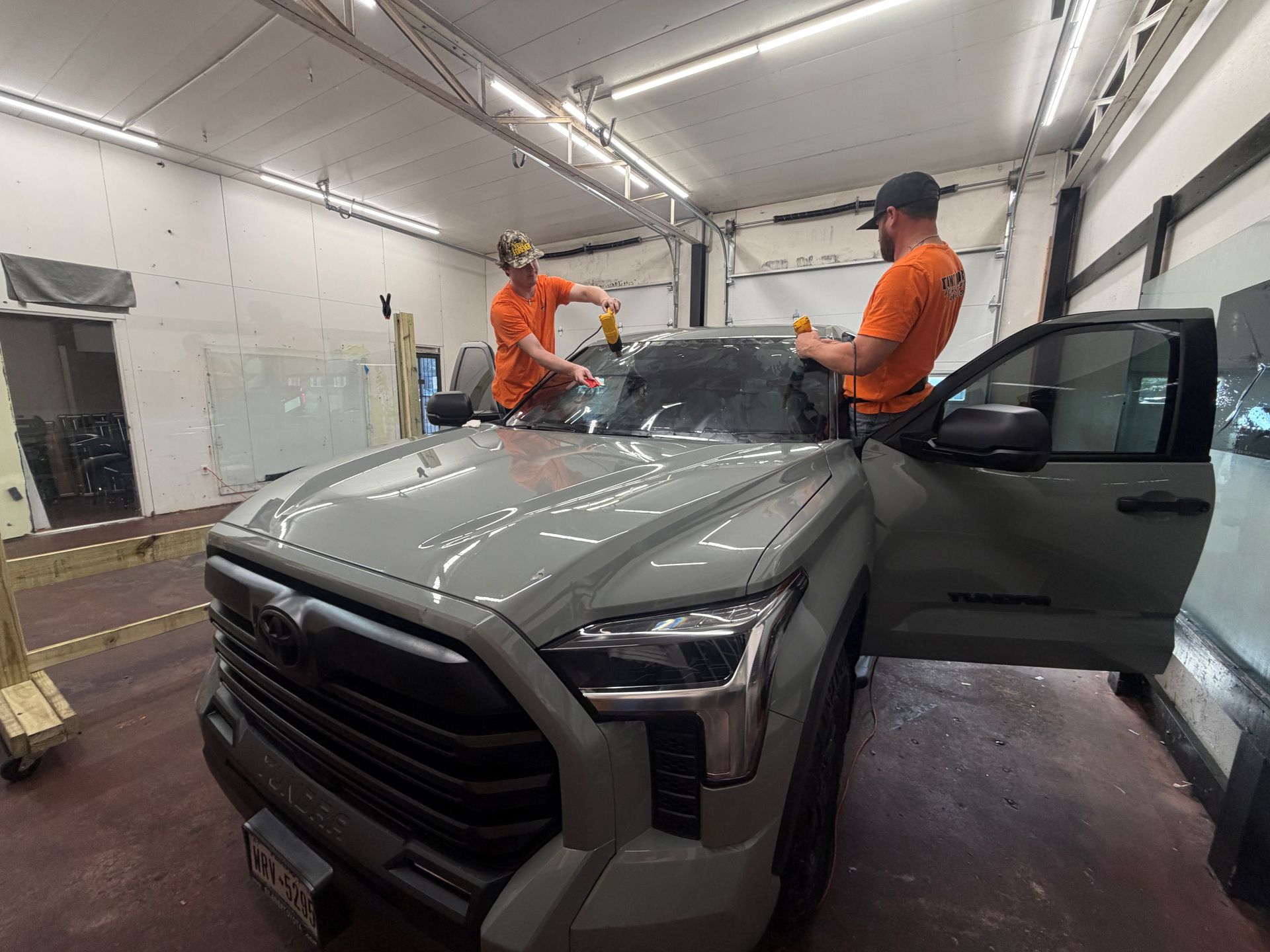
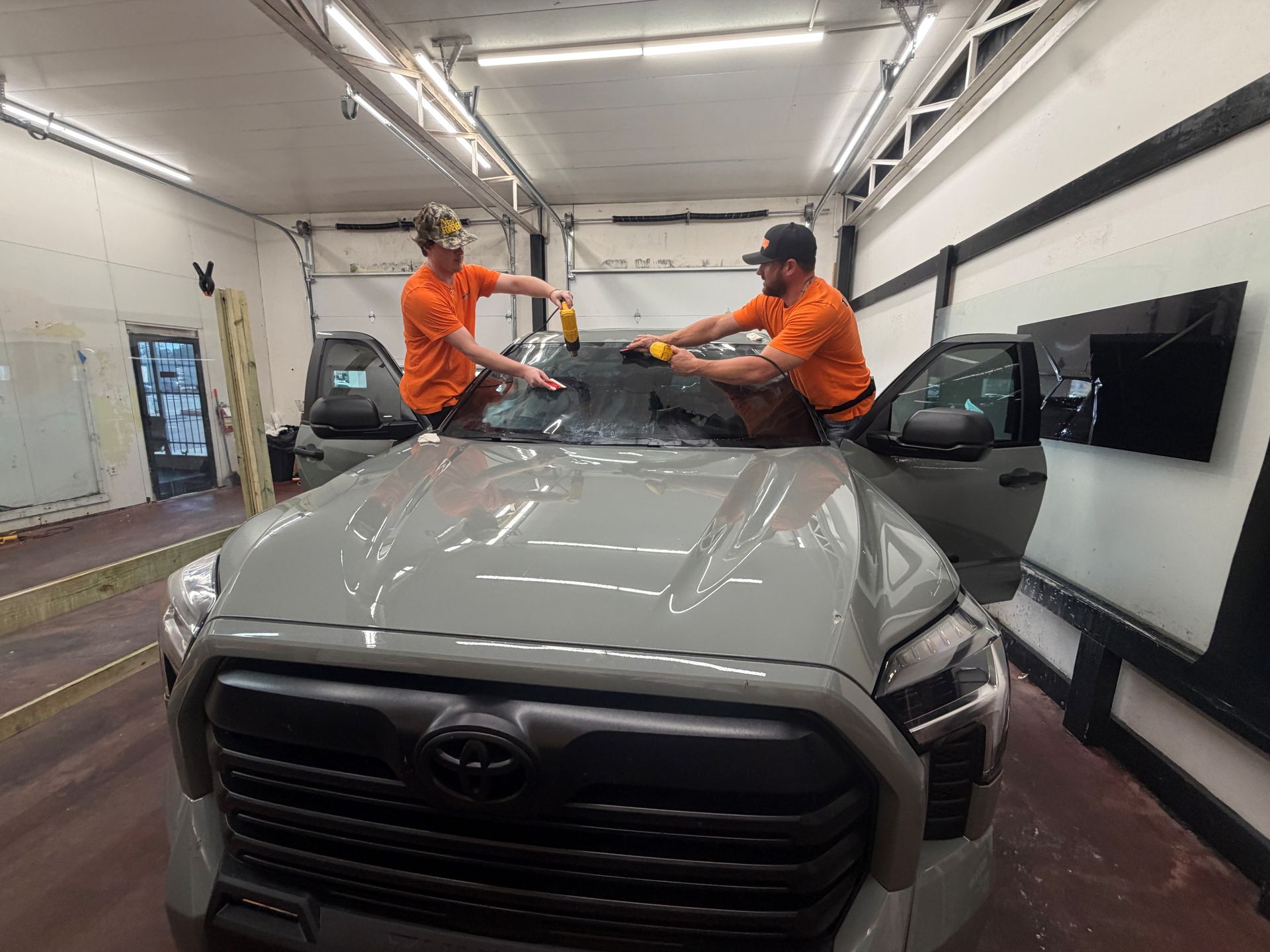
The sun can be relentless, transforming a comfortable cabin into an unbearably hot environment while also causing damage to interior upholstery. Drivers often seek ways to enhance their daily commute, and improving the glass on their vehicles is a highly effective method. Beyond mere aesthetics, applying the right film provides privacy from prying eyes, reduces eye strain from severe glare, and creates a more pleasant atmosphere for passengers. As you explore the market, you will quickly discover that not all films are created equal. Manufacturers have developed distinct technologies to address varying driver needs. The journey to the perfect driving environment requires carefully assessing these different materials. Learning about the specific features of the primary film categories helps owners make an informed choice. A major upgrade to consider is auto window tinting. Choosing the proper material makes a profound difference in the driving experience. There are several distinctive options available, each with unique benefits and drawbacks. Whether prioritizing aesthetics, budget, or advanced heat rejection, knowing the characteristics of each material is crucial to achieving your desired results.
Understanding Dyed Window Films
The traditional and often most budget-friendly option available to drivers is dyed film. This material relies on a layer of dye placed next to the adhesive, which is then applied directly to the glass. Its primary function is to absorb solar heat and prevent a portion of it from entering the cabin. For those primarily seeking a darker appearance for privacy and a sleeker aesthetic, this material serves as an excellent entry point into the world of auto window tinting. The deep, dark appearance is classic and highly sought after by many car enthusiasts who want a custom look without a massive financial commitment. However, it is important to note that while it provides significant shade, its heat reduction capabilities are not as advanced as other modern materials. Over an extended period, prolonged exposure to harsh sunlight can cause the dye to gradually fade, occasionally turning a purplish hue. Despite this potential drawback, it remains a heavily utilized option for drivers who prioritize immediate visual appeal and cost-effectiveness over long-term, high-tech performance. It is a fantastic starting point for anyone looking to alter their vehicle's exterior appearance quickly.
Exploring Metalized Window Films
Moving up the technological ladder, metalized films offer a different approach to climate control and vehicle enhancement. Instead of merely absorbing the sun's rays like their dyed counterparts, these films utilize incredibly small, invisible metallic particles embedded within the material to reflect heat away from the vehicle. This reflective property makes them substantially more effective at keeping the interior cabin cool during sweltering summer afternoons. A key characteristic of this option is its distinct, slightly shiny, or mirrored appearance on the exterior, which gives the vehicle a unique, modern profile. Furthermore, the inclusion of metallic elements significantly increases the overall strength and durability of the film, making it highly resistant to everyday scratches and wear. This added rigidity can also provide minor shattering resistance to the glass itself. When considering auto window tinting, it is crucial to recognize that the metallic particles can occasionally interfere with internal electronic signals. Drivers relying heavily on built-in navigation systems, satellite radio, or specific cellular frequencies might experience slight disruptions. Nevertheless, for those who demand superior heat reflection and unmatched durability, this material stands out as a highly effective and robust solution for daily commuting and long road trips.
Considering Carbon Window Films
For vehicle owners who desire a premium matte finish without any reflective properties, carbon films represent a remarkable advancement in technology. This material incorporates actual carbon particles into the film layers, resulting in a dark, rich, and completely non-reflective aesthetic that remains colorfast over its entire lifespan. Unlike dyed options, carbon material will never fade to an undesirable purple shade, regardless of how much direct sunlight it endures. It provides an exceptional level of infrared heat rejection, drastically lowering the interior temperature and reducing the constant burden on the vehicle's air conditioning system. This highly efficient climate control creates a luxurious and comfortable environment for everyone inside. Another significant advantage of this specific auto window tinting option is its complete lack of interference with electronics. Because it lacks any metallic components, it will never disrupt cellular signals, GPS navigation, or radio frequencies, ensuring seamless connectivity while on the road. The true matte black appearance is highly prized by automotive enthusiasts who want a sophisticated, high-end look. While typically demanding a slightly higher investment than basic dyed films, the combination of superior heat rejection, signal clarity, and lifelong color stability makes carbon material an incredibly worthwhile consideration for discerning drivers.
Evaluating Ceramic Window Films
At the absolute pinnacle of current film technology sits the ceramic option. This material utilizes non-conductive, non-metallic ceramic particles that are microscopic in size but monumental in performance. It offers the absolute highest levels of heat rejection, glare reduction, and ultraviolet protection available on the market today, all without needing to be heavily darkened. Drivers can choose a very light or virtually clear shade and still reap the massive climate control benefits, ensuring perfect nighttime visibility while blocking immense amounts of solar energy. Given these premium benefits, it is no surprise that this material leads the industry in consumer preference. According to World Metrics, ceramic window films are the most popular (41% of vehicle tinting jobs), followed by dyed films (32%), and metallic films (27%). This incredible demand reflects the material's unparalleled ability to keep interiors incredibly cool while completely avoiding any electronic signal interference. When exploring premium auto window tinting, this material is widely regarded as the ultimate investment. It will never fade, change color, or degrade under harsh environmental conditions. The structural integrity provided by the ceramic nanoparticles also adds a layer of safety, further protecting the glass from shattering. For those who refuse to compromise on quality, performance, and longevity, this advanced material is the definitive choice.
Comparing Maintenance and Longevity
Once you have selected the ideal material for your vehicle, understanding how to care for it ensures your investment lasts as long as possible. Different materials possess varying lifespans and maintenance requirements. As previously noted, traditional dyed options may eventually require replacement due to sun-induced fading, while carbon and ceramic options boast indefinite color stability. Regardless of the material chosen for your auto window tinting, proper cleaning techniques are universally critical. Harsh, ammonia-based glass cleaners can severely damage the film's structural integrity, causing it to peel, bubble, or crack prematurely. Vehicle owners must utilize gentle, ammonia-free cleaning solutions paired with exceptionally soft microfiber towels to gently wipe away fingerprints, smudges, and dust. Abrasive sponges or paper towels should be strictly avoided to prevent microscopic scratching on the film's surface. Additionally, immediately after installation, the film requires a curing period to allow the adhesive to bond completely with the glass. During this critical timeframe, rolling down the windows can ruin the application. By adhering to these simple yet vital maintenance guidelines, drivers can preserve the pristine appearance, optical clarity, and heat-rejecting performance of their chosen material for many years of enjoyable driving.
Upgrading your vehicle with specialized film is a decision that significantly enhances daily comfort, elevates exterior aesthetics, and provides crucial protection against the harsh elements. Navigating the various materials available on the market allows you to tailor the final result perfectly to your specific lifestyle and driving demands. Whether you are seeking a dark, mysterious profile, maximum heat rejection to ease your commute, or a clear layer of superior protection, the right material exists to meet your exact expectations. The process of selecting the perfect auto window tinting should never feel overwhelming when you have the right information and professional guidance at your disposal. Taking the time to evaluate your priorities will guarantee a cooler, more comfortable, and stylish ride. Protect your interior cabin from the sun's relentless rays while adding a touch of personal flair to your exterior. If you are ready to transform your vehicle and experience the profound benefits of premium film installation, reach out to the professionals who can guide you through the final selection process. Call Tint Works today to learn more and schedule your consultation for a vastly improved driving experience.