
Vidor, TX
Window Tinting Service in Vidor, TX
A vehicle's interior takes a beating from sunlight that never lets up. UV rays fade dashboards and upholstery, glare makes it harder to see the road at certain times of day, and a closed-up cabin can turn into an oven within minutes of parking in direct sun. Ignoring that exposure over years leaves cracked dashboards, sun-bleached seats, and an interior that feels hotter every time the door opens. Film that's been cut and applied poorly bubbles, peels, or lifts at the edges within months, which usually costs more to fix than installing it correctly the first time. Getting a clean, bubble-free result depends on computer-cut film, careful trimming around trim and defroster lines, and enough hands-on experience to know how each type of film behaves during installation on a real vehicle.
Southeast Texas keeps the warm season stretching long, with the sun sitting high in the sky over Vidor for much of the year and pushing cabin temperatures up fast on anything left parked outside. That extended exposure accelerates how quickly untreated glass lets in UV rays and heat, which is why window film that blocks both matters more here than in a place with a shorter, milder summer season and fewer months of direct sun each year.
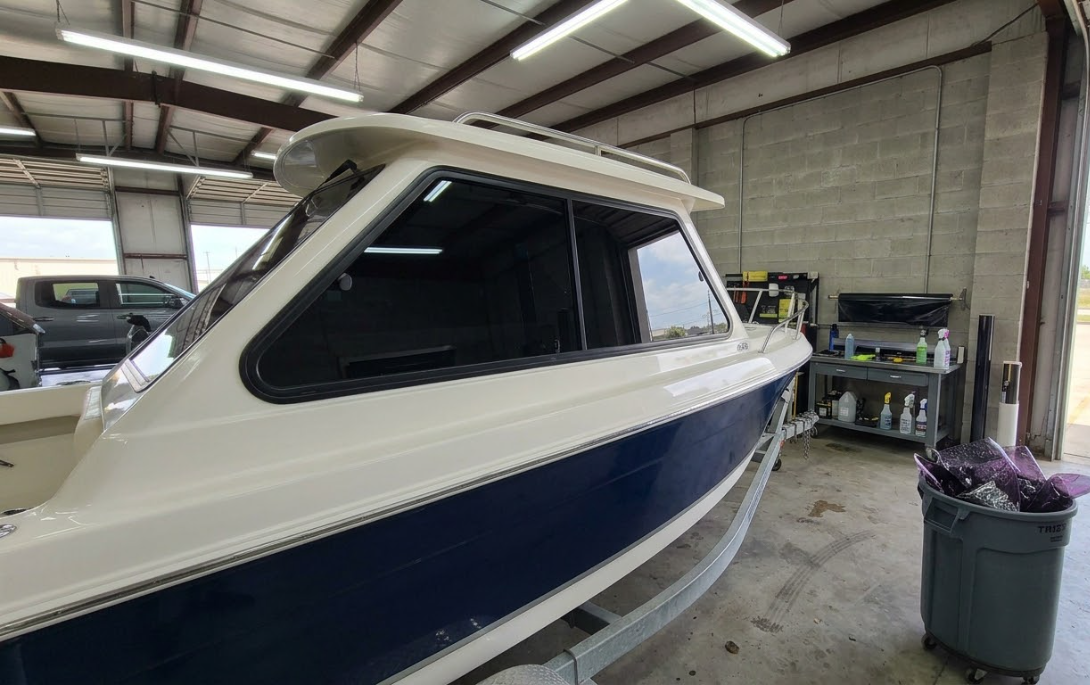
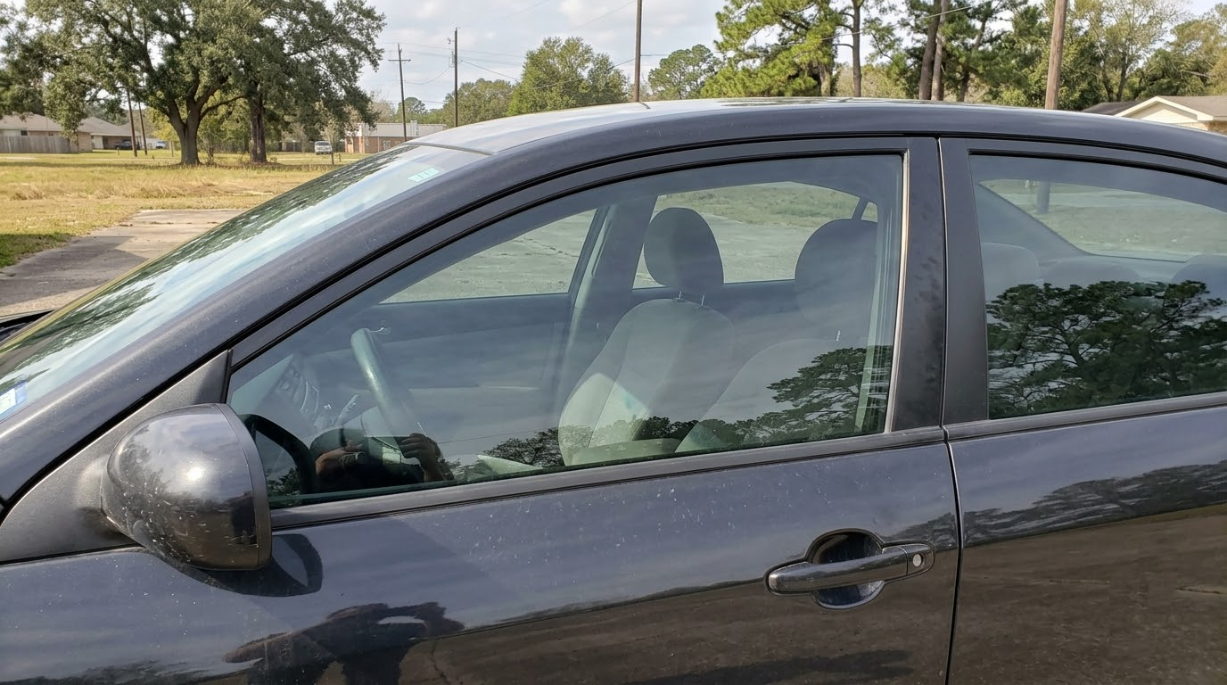
For 15+ years, Tint Works has provided experienced window tinting in Vidor, TX, for cars, trucks, SUVs, boats, ATVs, and RVs of every make and model. Our certified technicians cut every piece of film by computer for an exact fit, and we also strip and replace tint that's gone purple, bubbled, or started peeling at the edges over time.
About Vidor, TX
Vidor is a city in Orange County, Texas, sitting at the intersection of Interstate 10 and Farm to Market Road 105, a few miles from Beaumont in the metro area the two cities share along with Port Arthur. The city covers a compact footprint of roughly twelve square miles.
The city developed as a bedroom community for the refining complexes in nearby Beaumont and Port Arthur, and it was formally incorporated in 1960 after growing around the local timber and rail industry decades earlier. Many residents still commute to those refining and industrial jobs today, with the city serving mainly as a residential base.
Its humid subtropical climate and proximity to the Neches River bring a long, warm season most of the year, with residents spending plenty of time outdoors, on the water, or on the road. Most households in the city own their homes rather than rent, and the population has held fairly steady over the past two decades.
What Year-Round UV Exposure Does Without Window Tinting
Ultraviolet light doesn't take a break for cloudy days or cooler months in this part of Texas. It passes through untreated glass steadily, breaking down the dyes and plastics used in dashboards, door panels, and seats well before normal wear and tear ever would.
Vinyl and leather that face direct sun for years start cracking and fading from the inside out, often on the driver's side first since it typically gets the most consistent exposure during daily driving. Fabric seats show the same pattern, with color loss and a brittle feel that develops gradually over years of repeated exposure.
Window film screens out most of that ultraviolet light before it ever reaches the interior, slowing the fading and cracking process significantly. How much protection a vehicle gets depends on the type of film installed and how much of the glass is covered, from the front windows down to the rear glass and everything in between.
Choosing Between Dyed, Ceramic, and Nano Ceramic Window Tint
Traditional dyed film blocks glare and adds privacy at a lower cost, but it can fade to a purple tint over time and offers less heat rejection than newer materials. It remains a reasonable, budget-friendly choice for drivers focused mainly on appearance and glare rather than maximum heat control.
Ceramic film uses non-conductive particles instead of metal to block infrared heat, which keeps a cabin noticeably cooler without interfering with GPS, phone, or radio signals. Nano ceramic film takes that further with even finer particles, giving the strongest heat rejection available along with a clearer, lighter look through the glass that many drivers prefer.
Texas law requires front side windows to allow at least 25 percent light transmission, so the shade selected up front has to meet that standard regardless of which film type a driver chooses for the rest of the vehicle. Rear windows and the back window typically allow more flexibility, which is worth discussing with a technician before deciding on a final shade.
Why Vidor Residents Trust Tint Works
As an expert window tinting service in Vidor, TX, we cut every piece of film by computer instead of trimming freehand, which gives a cleaner edge around trim, defroster lines, and curved rear glass on every vehicle we work on, from a daily commuter car to a full-size truck.
Being a family-owned shop means every installation gets the same attention whether it's a daily driver, a work truck, or a boat brought in for the first time. Nobody gets rushed through the bay just to make room for the next appointment on the schedule, and every film gets applied with the same care regardless of the vehicle's size or value.
Every job carries labor and material warranties, and we're upfront about what a given film can and can't do before any work starts. Customers leave knowing exactly what they paid for and what to expect from it over the years ahead, with no surprises once the film has had time to settle.
Book Your Reliable Window Tinting in Vidor, TX
We're Tint Works, a reliable window tinting service in Vidor, TX, and we're ready to help whether you're upgrading a daily driver or replacing tint that's already failing and needs to come off before new film goes on.
Visit our shop to compare film samples in person, or use our contact page to request a same-day estimate. There's no rush to decide and no question too small to ask before you commit to a shade for your vehicle, and we're happy to explain the differences between film types in plain, straightforward language before you make a final choice.
With 15+ years behind our installs, we've worked on cars, trucks, SUVs, boats, ATVs, and RVs of every size, and every job gets the same computer-cut precision regardless of scope or vehicle type brought through the door. Stop by the shop to see film samples in person and talk through what would work best for your vehicle and your budget.
Service
 Learn More
This is paragraph text. Click it or hit the Manage Text button to change the font, color, size, format, and more. To set up site-wide paragraph and title styles, go to Site Theme.
Service
Learn MoreThis is paragraph text. Click it or hit the Manage Text button to change the font, color, size, format, and more. To set up site-wide paragraph and title styles, go to Site Theme.
CLIENT TESTIMONIALS
frequently asked questions
What's the difference between ceramic and nano ceramic tint?
Ceramic film uses non-conductive particles to block heat while keeping GPS and phone signals clear. Nano ceramic uses even smaller particles for stronger heat rejection and a lighter, clearer look through the glass, popular with drivers who want maximum comfort.
Is there a legal limit on how dark window tint can be in Texas?
Yes. Texas requires front side windows to allow at least 25 percent light transmission. Rear windows and the back window generally allow darker shades, and we'll walk through what's legal for your specific vehicle before any film goes on.
How can I tell when my window tint needs replacing?
Watch for bubbling, peeling at the edges, or a shift toward a purple color, all signs the film has broken down. Once tint starts failing, it no longer blocks heat and UV as well as it should and can look distracting.
Does window tint help protect my vehicle's interior?
Yes. Film blocks a significant share of the ultraviolet light responsible for fading dashboards, cracking vinyl, and discoloring fabric seats over time. Interiors that stay covered by quality film tend to hold their color and finish much longer than untreated glass allows.
Can window tint be added to a boat or RV, not just a car?
Yes, we fit non-metallic film to marine-grade glass on boats and install tint on ATVs and RVs as well. Glare and heat affect a helm or a cab just as much as a car, so the same benefits apply.
Will tinting my rear window affect my defroster?
No. We work carefully around defroster lines when heat-shrinking film to curved rear glass, so the lines stay fully functional. It takes extra care during installation, but a properly fitted rear tint won't interfere with how the defroster works.
What's involved in removing old or failing tint?
We remove failing film along with all of the old adhesive left behind, without scraping or damaging the defroster grid underneath. Once the glass is clean, fresh film goes on so the window looks and performs like new.
How do I schedule a tint appointment at Tint Works?
Stop by the shop to compare film options in person, or reach out through our contact page to request a same-day estimate. We'll walk through your choices and get a visit scheduled that fits your day.